


Latest News
Everton
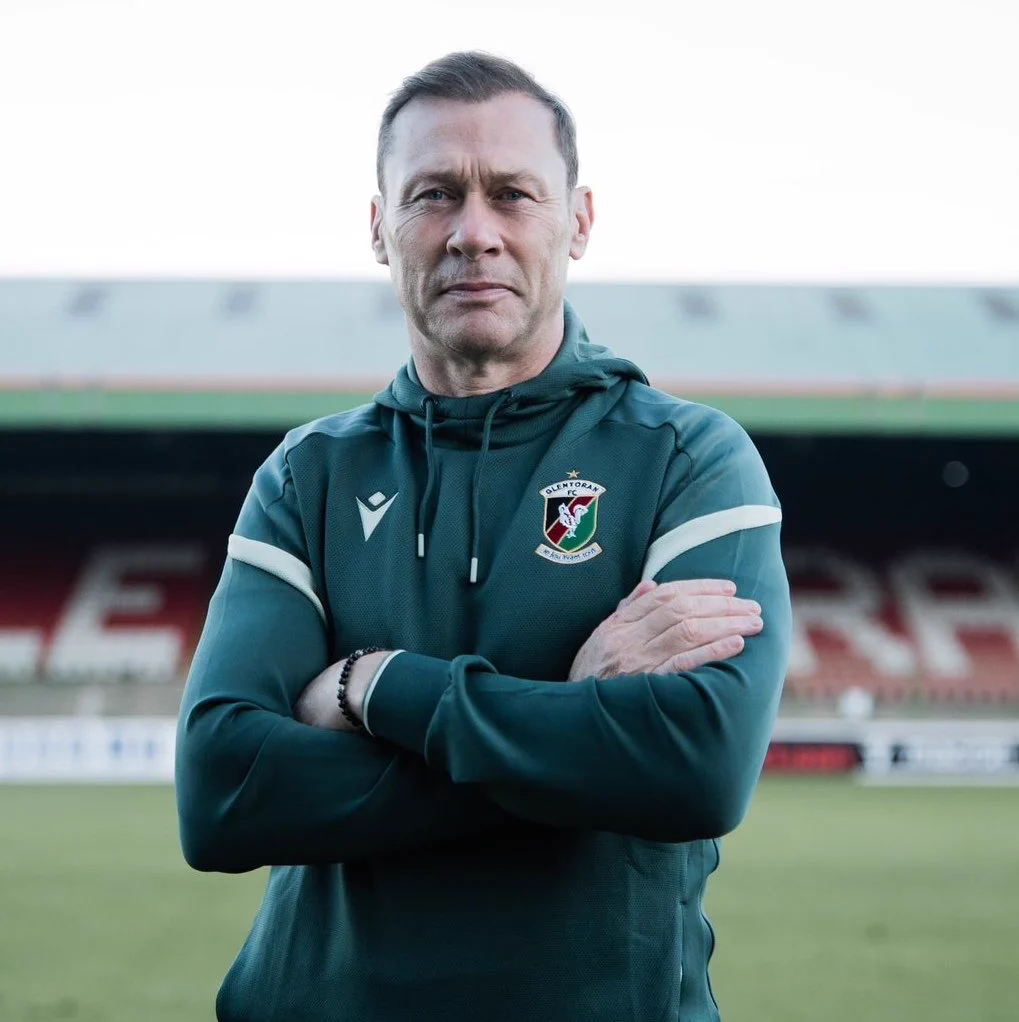
Big Dunc Returns and Lights up Our Hearts
We woke up to the best kind of Everton news this week when Duncan Ferguson…

Everton
EVERTON LINKED WITH FREE AGENT ICARDI
Everton supporters have another name to consider as the club looks to bolster its attacking…

Everton
MOYES EXPLAINS UNUSUAL ROHL START AGAINST CHELSEA
David Moyes has offered a candid insight into one of the more puzzling selection calls…
Everton
EVERTON SQUAD LIMITATIONS EXPOSED BY CHELSEA LOSS
Everton’s first defeat of the season against Chelsea highlighted the challenges of operating with a…
Everton
EVERTON INJURY CONCERNS MOUNT AHEAD OF CHELSEA CLASH
Everton head into Saturday’s lunchtime Premier League encounter with Chelsea at Hill Dickinson Stadium with…
Everton
EVERTON SET FOR JANUARY STRIKER MOVE
Everton supporters have plenty to feel positive about on the pitch right now, with the…
Everton
MOYES FUTURE HANGS IN BALANCE AT EVERTON
David Moyes returned to Everton in January 2025 with a clear vision of restoring the…
Everton
EVERTON LEAD RACE FOR FRANCE STRIKER LEPAUL
Everton are emerging as the frontrunners in the race to sign Rennes striker Esteban Lepaul,…
Everton
EVERTON HOLD FIRM IN THRILLING HULL DRAW
Everton extended their unbeaten Premier League run to six matches with a hard-fought 2-2 draw…

Everton
FRIEDKIN GROUP EXPLORE EVERTON SALE
Everton supporters woke up to a bombshell announcement this morning as The Friedkin Group confirmed…